TL;DR: Finding a reliable OEM/ODM nail manufacturer requires thorough research, verifying certifications, and requesting product samples to ensure quality. A trusted partner will offer transparent communication, high manufacturing standards, and the capacity to scale with your nail brand's growth.
What Is an OEM/ODM Nail Manufacturer?
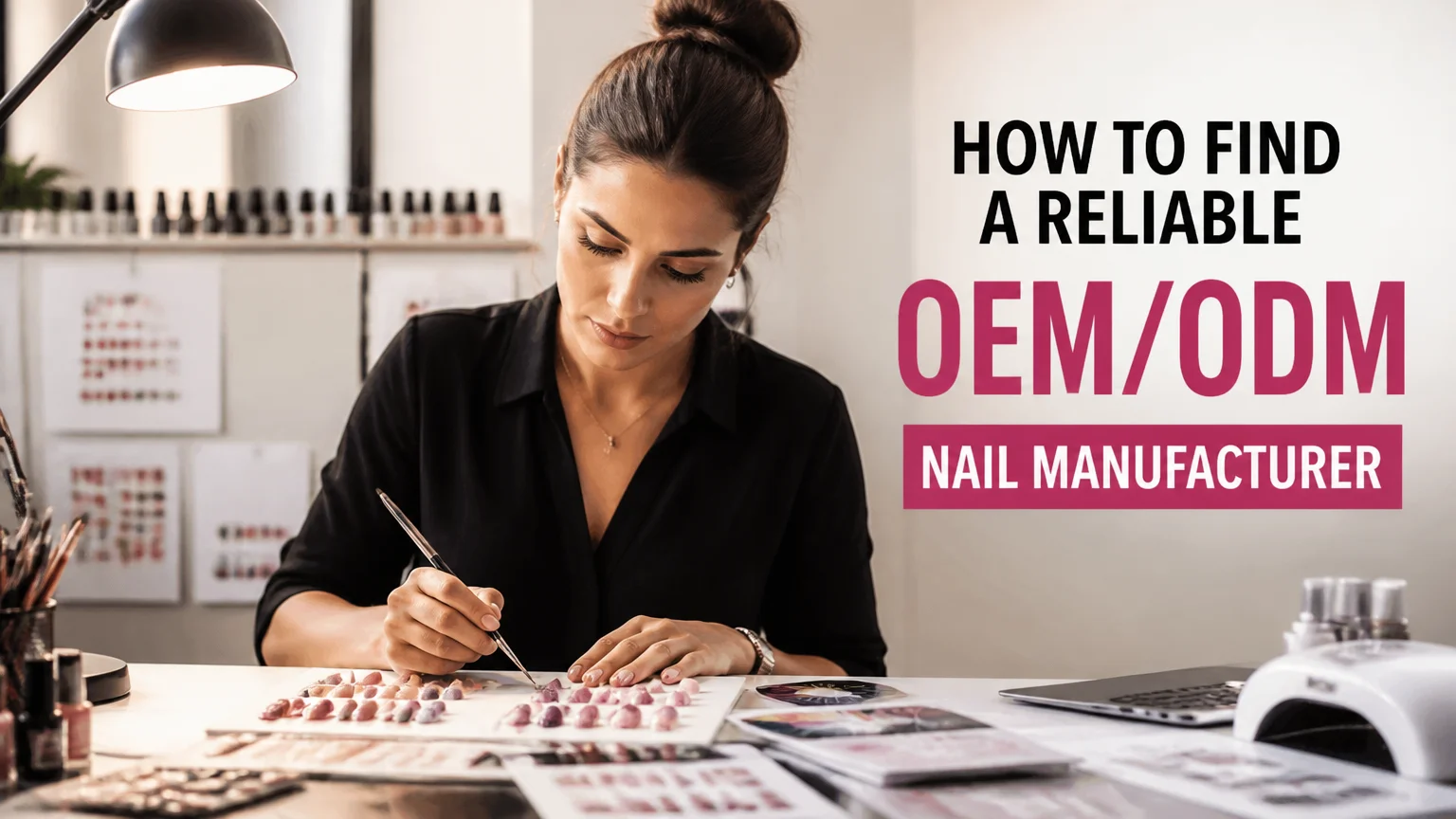
An OEM (Original Equipment Manufacturer) or ODM (Original Design Manufacturer) nail manufacturer is a company that produces nail polish, gel polish, nail art tools, and related products either based on your exact specifications (OEM) or utilizing their own pre-designed formulas and packaging for your brand (ODM). Choosing between OEM and ODM depends on whether you have unique formulations or if you want to quickly white-label proven products under your own brand name.
Why Choosing the Right Manufacturing Partner Matters
Partnering with a reliable OEM nail manufacturer is critical for the success and reputation of your beauty brand. Your manufacturer controls the quality, consistency, and safety of your products. A poor-quality gel polish that chips easily or causes allergic reactions can instantly ruin your brand's credibility. Furthermore, a good manufacturer ensures compliance with cosmetic regulations (such as FDA or EU standards), offers scalable production to meet your inventory needs, and provides reliable lead times so you never run out of stock during peak seasons.
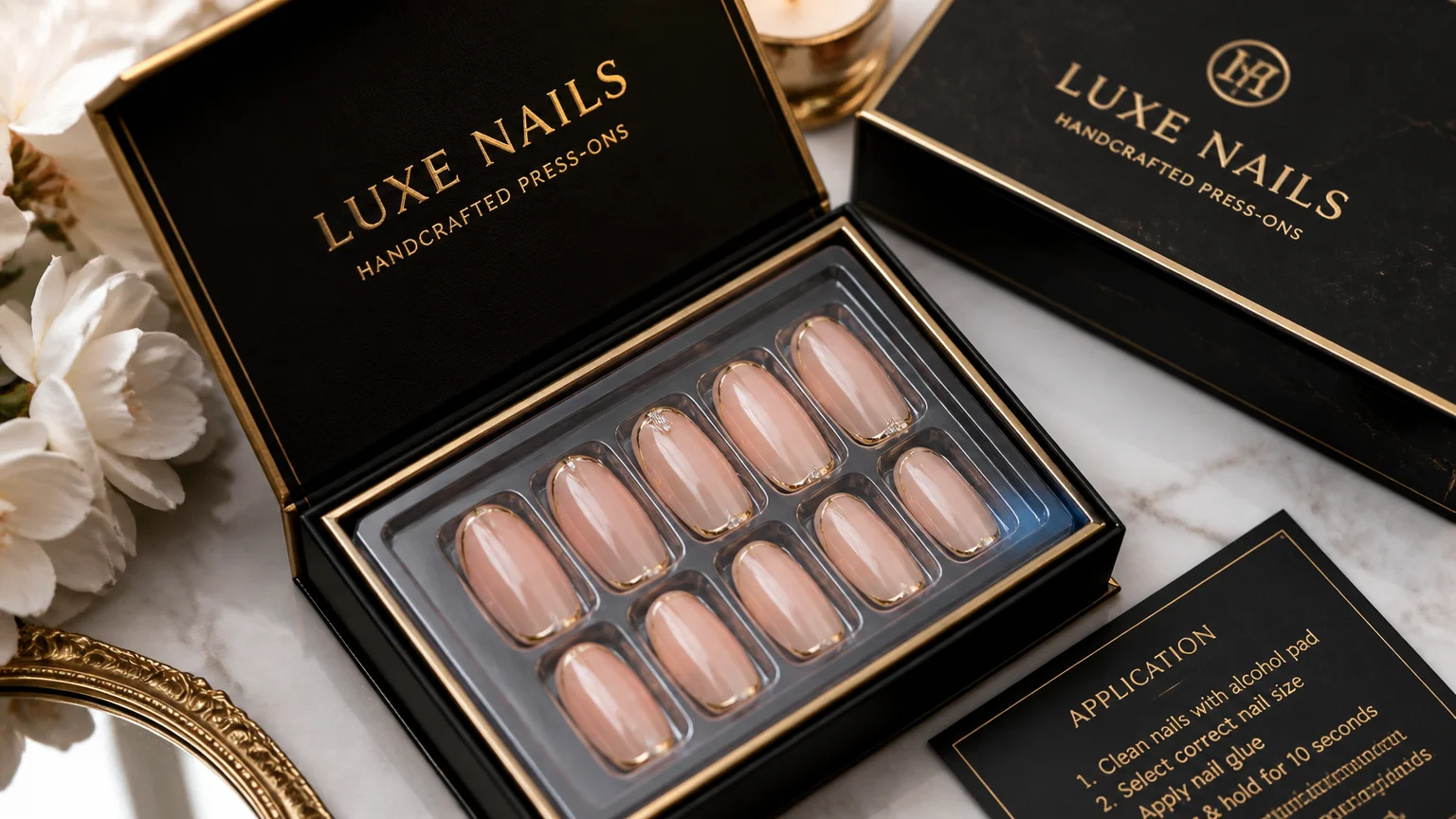
How the Nail Manufacturing Process Works Understanding the manufacturing workflow helps you manage timelines and set realistic expectations when working with an OEM or ODM partner.
Initial Consultation and Formulation
The process begins with discussing your brand's vision, target audience, and product requirements. For ODM, you will select from their existing catalog of colors and formulas. For OEM, you will work with their R&D team to create custom formulations, such as specific curing times for gel polishes or unique finishes.
Sampling and Testing
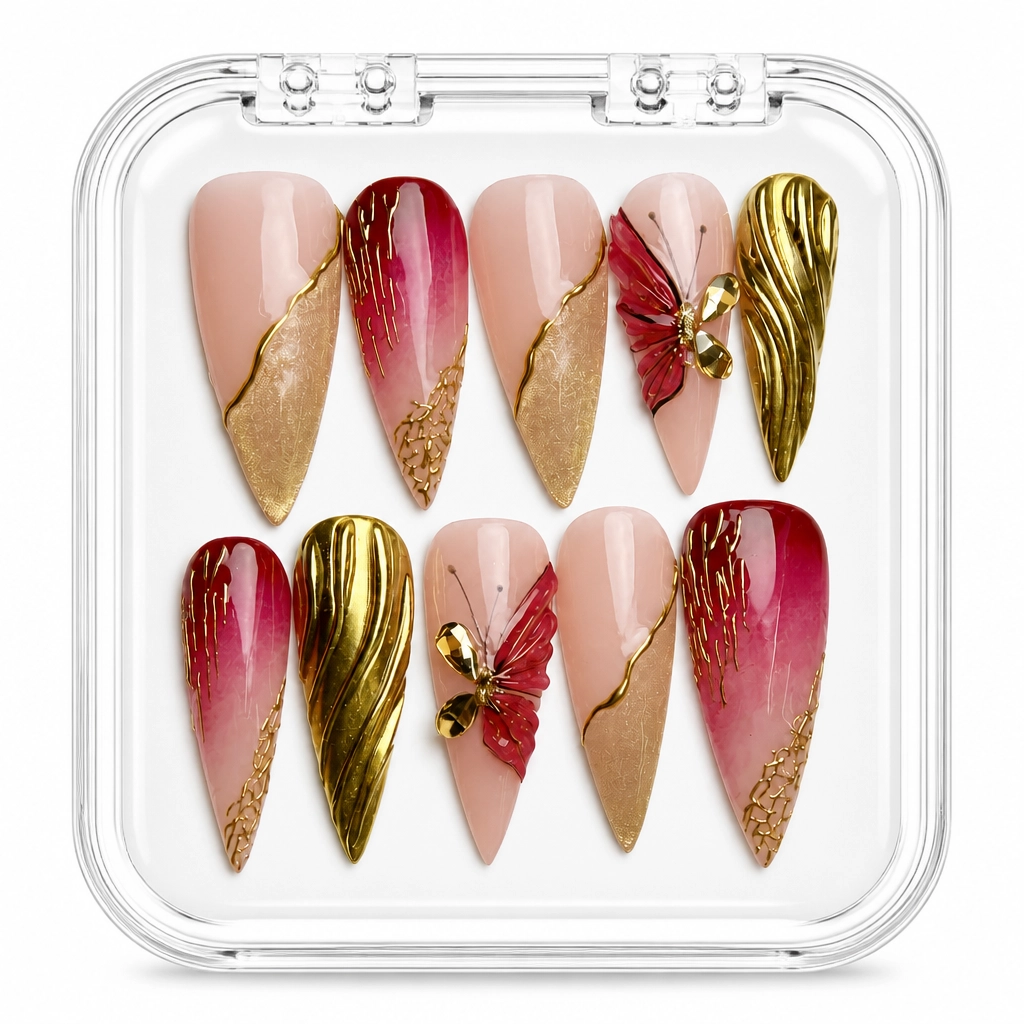
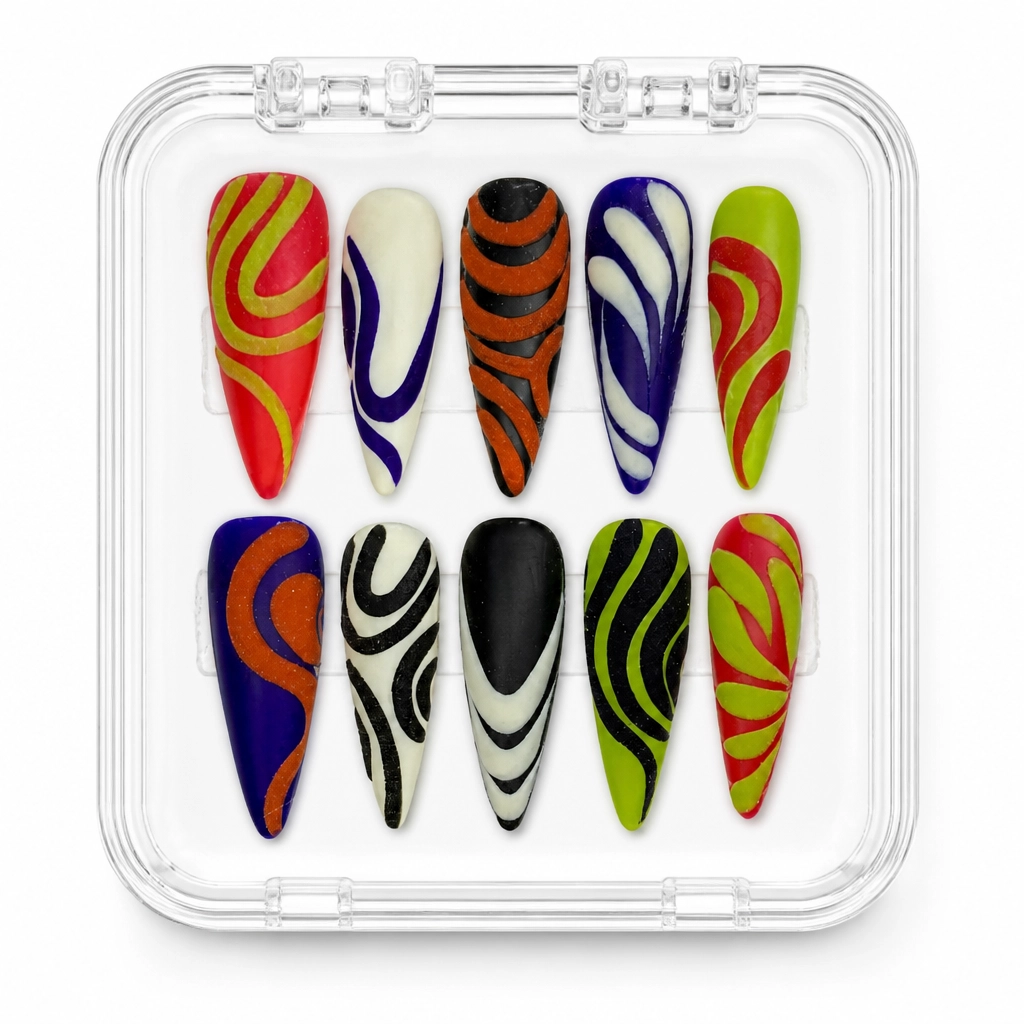
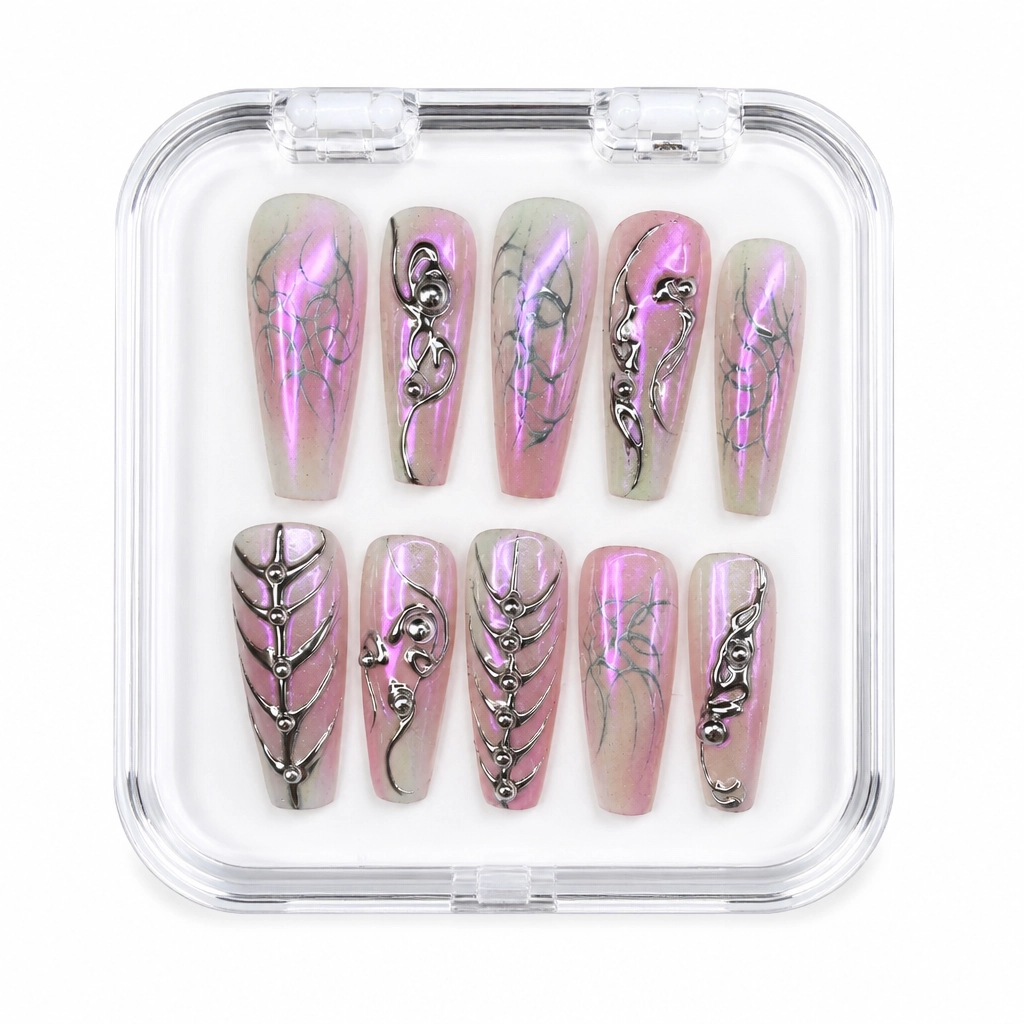
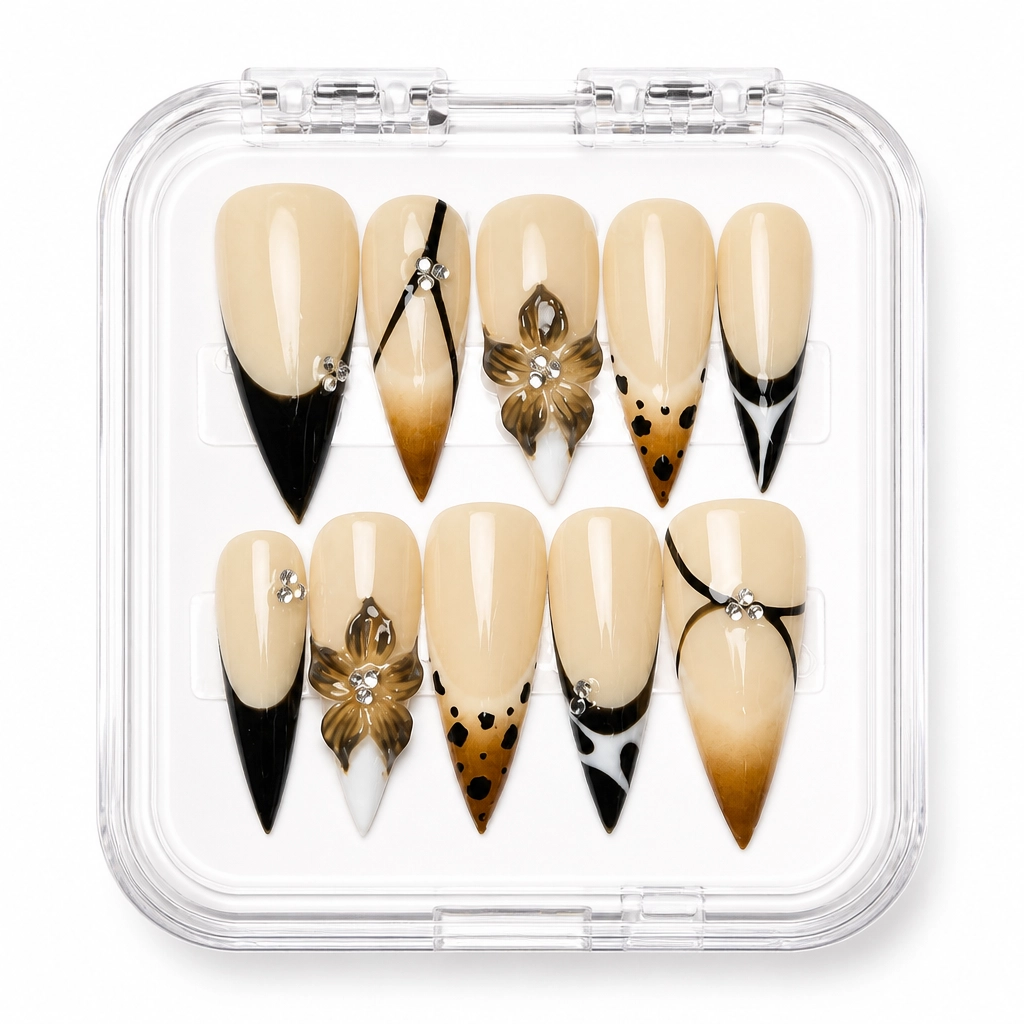
Once the initial formulation or selection is complete, the manufacturer will produce samples. It is crucial to test these samples rigorously for application, durability, color accuracy, and shelf life before approving them.
Mass Production and Packaging
After sample approval, you finalize the packaging design (bottles, brushes, caps, and labels). The manufacturer then moves into mass production. A reliable factory will have strict quality control (QC) measures at every stage to ensure the final product matches the approved samples perfectly.
Practical Steps to Find a Reliable Supplier
Finding the perfect partner requires a systematic approach to filter out unreliable factories.
1. Research and Shortlist Candidates
Start by searching online B2B directories, attending beauty trade shows like Cosmoprof, or consulting industry forums. Look for manufacturers that specialize specifically in nail products rather than general cosmetics, as nail formulations require specialized expertise.
2. Verify Certifications and Compliance
Ensure the manufacturer holds necessary certifications such as ISO 22716 (Good Manufacturing Practices for Cosmetics) and SGS or MSDS reports for their materials. Ask if their products comply with the regulations of the countries where you intend to sell.
3. Request and Evaluate Samples
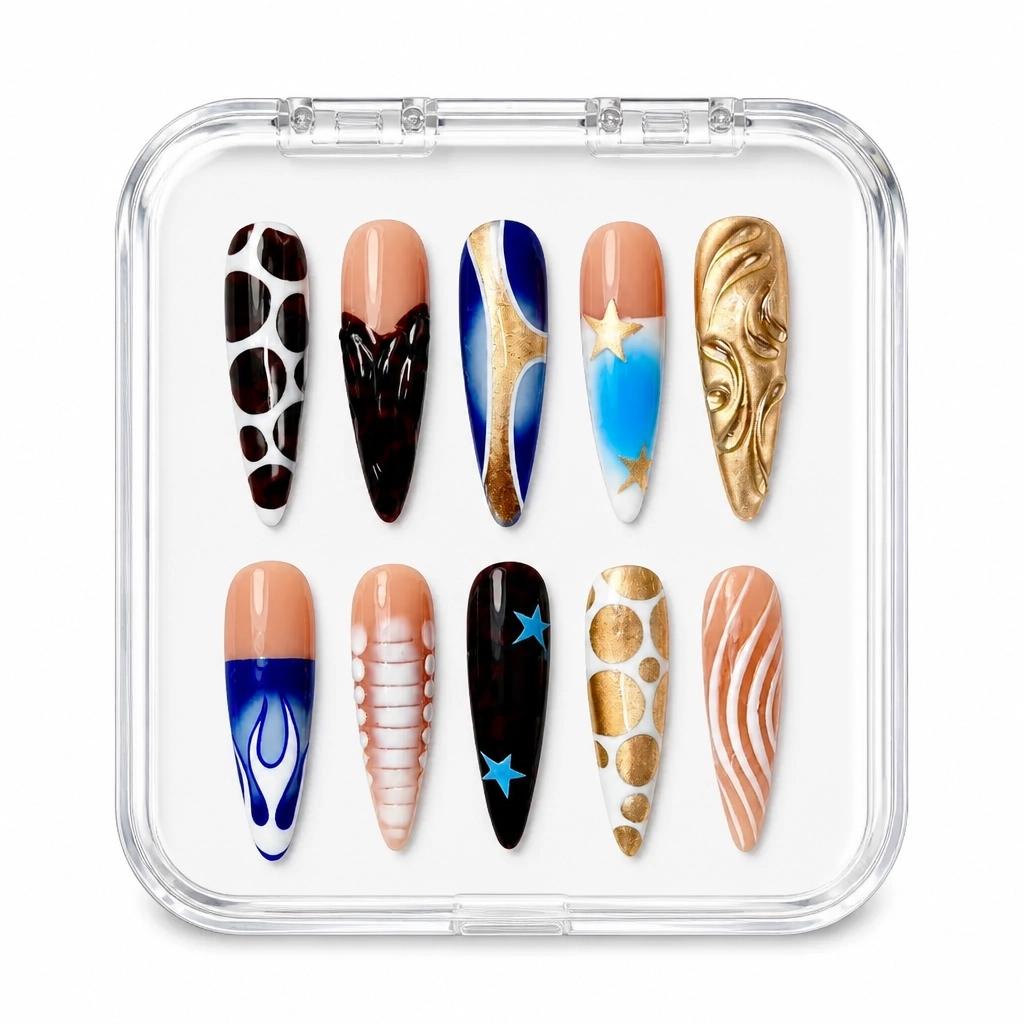
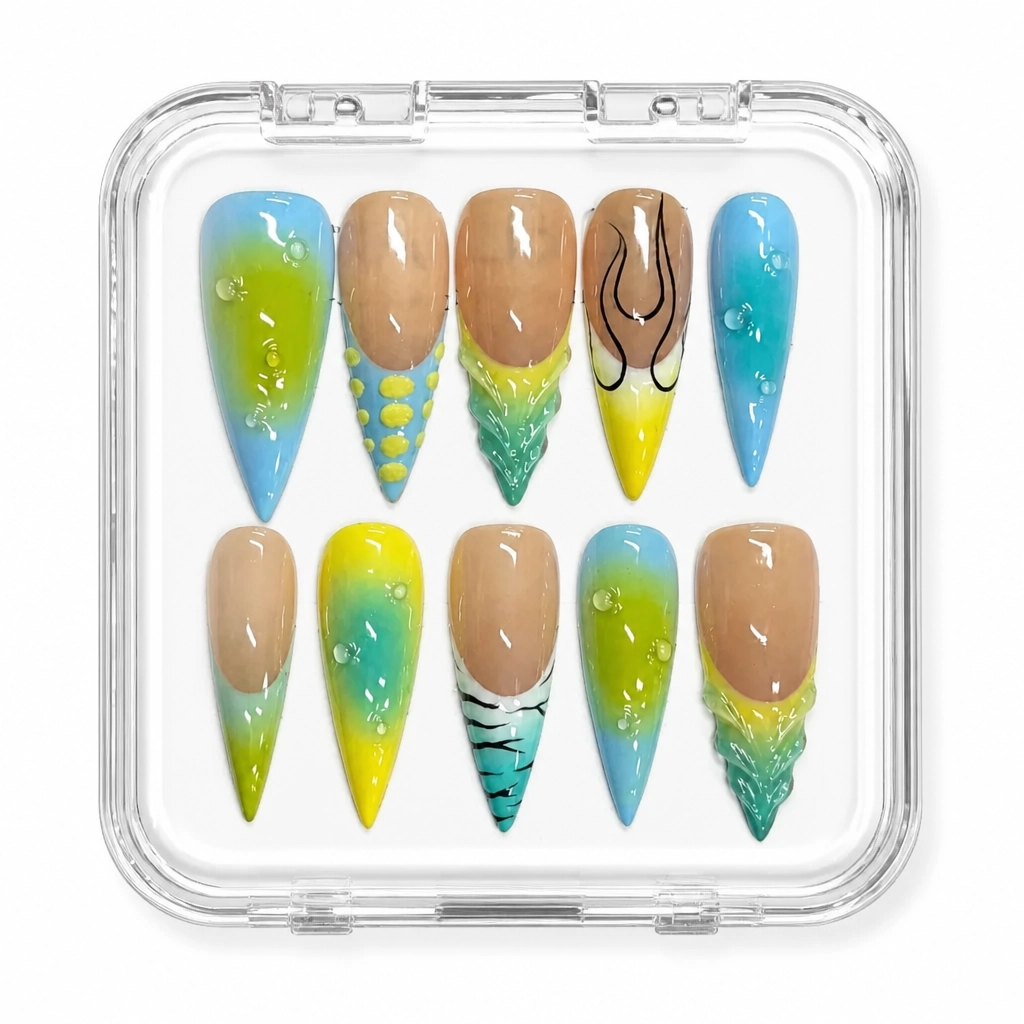
Never commit to a large order without testing samples first. Evaluate the viscosity, pigmentation, curing process, and wear time of the nail products. Additionally, assess their communication speed and willingness to accommodate your feedback during this phase.
Common Mistakes to Avoid When Sourcing
- Choosing based solely on price: Extremely low prices often mean compromised ingredients, poor quality control, or unethical labor practices.
- Skipping the sample phase: Assuming mass production will match your vision without seeing a physical sample is a recipe for disaster.
- Ignoring communication red flags: If a manufacturer is slow to respond, evasive about their facility, or unclear about terms before you sign a contract, these issues will only worsen once they have your money.
Frequently Asked Questions (FAQ)
What is the difference between OEM and ODM in nail manufacturing? OEM involves manufacturing nail products according to your custom formulations and specifications. ODM allows you to select from the manufacturer's pre-developed, ready-to-sell formulas and package them under your own brand name.
What is a standard Minimum Order Quantity (MOQ) for nail polish? MOQs vary widely by manufacturer but typically range from 1,000 to 5,000 pieces per color for OEM products. ODM private label options may offer lower MOQs, sometimes starting around 100 to 500 units.
How long does it take to manufacture a private label nail line? The timeline usually spans 4 to 8 weeks after sample approval. Custom OEM formulations take longer due to R&D and stability testing, potentially extending the total timeline to 3 or 4 months.
Are OEM nail products safe and compliant with regulations? Yes, provided you choose a reputable manufacturer that adheres to cosmetic Good Manufacturing Practices (ISO 22716) and can provide Material Safety Data Sheets (MSDS) and ingredient lists for compliance testing.
Can a nail manufacturer help with custom packaging design? Most OEM/ODM manufacturers offer extensive packaging catalogs including bottles, brushes, and caps. Many also have in-house design teams to assist with custom labeling, silk-screen printing, and external box designs.
Conclusion
Finding a reliable OEM/ODM nail manufacturer is a foundational step in building a successful nail brand. By understanding the differences between OEM and ODM, knowing what to look for in a factory, and rigorously testing samples, you can establish a profitable and long-lasting partnership. Take your time vetting candidates, prioritize quality and communication over the lowest price, and ensure your chosen supplier can scale alongside your growing business.