TL;DR: This private label nail brand case study reveals how a beauty startup achieved a 400% revenue increase in just 6 months by focusing on high-quality manufacturer partnerships and targeted social media marketing. By streamlining their product line and optimizing inventory management, they rapidly scaled operations to meet growing consumer demand.
What Is a Private Label Nail Brand?
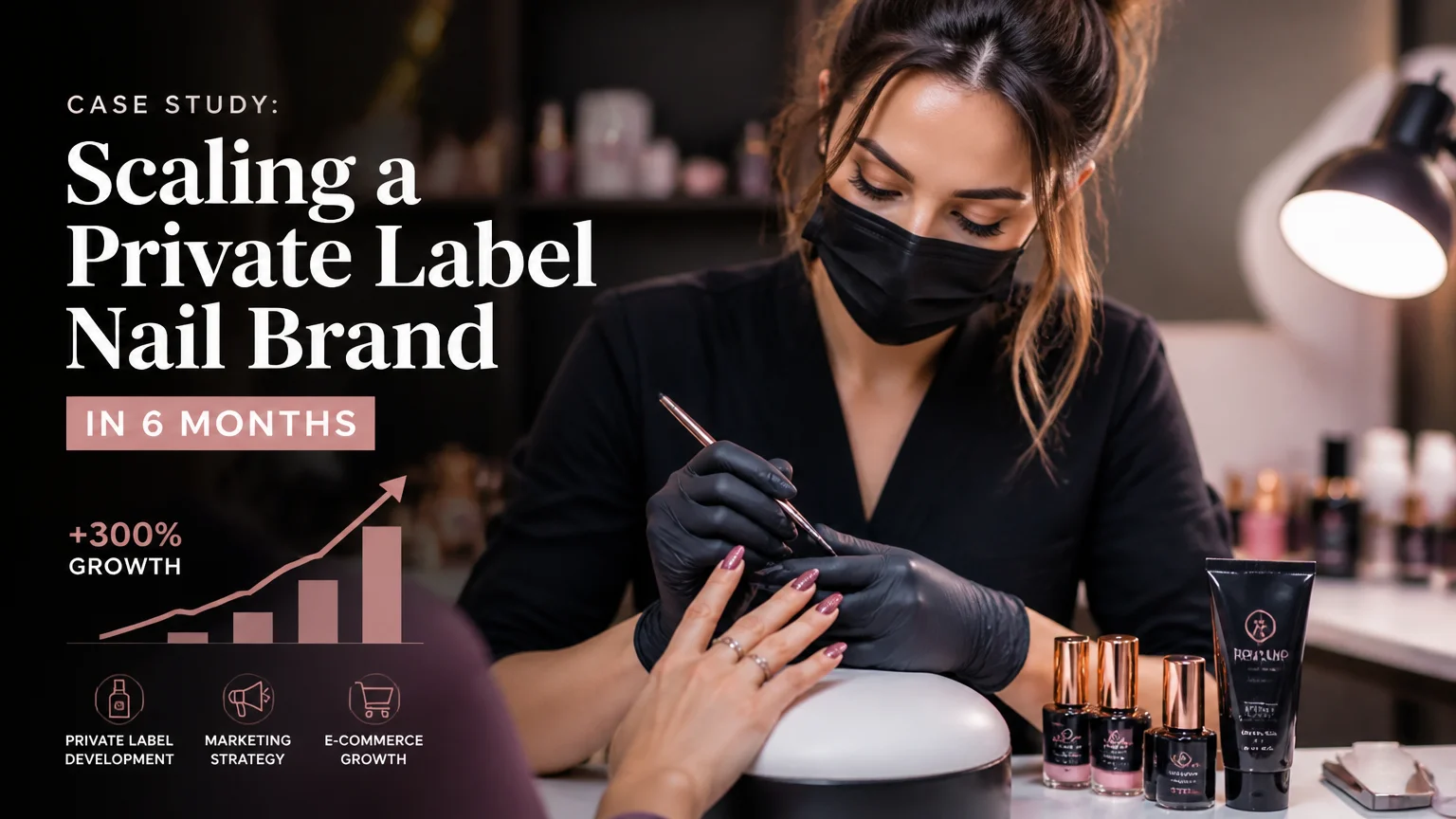
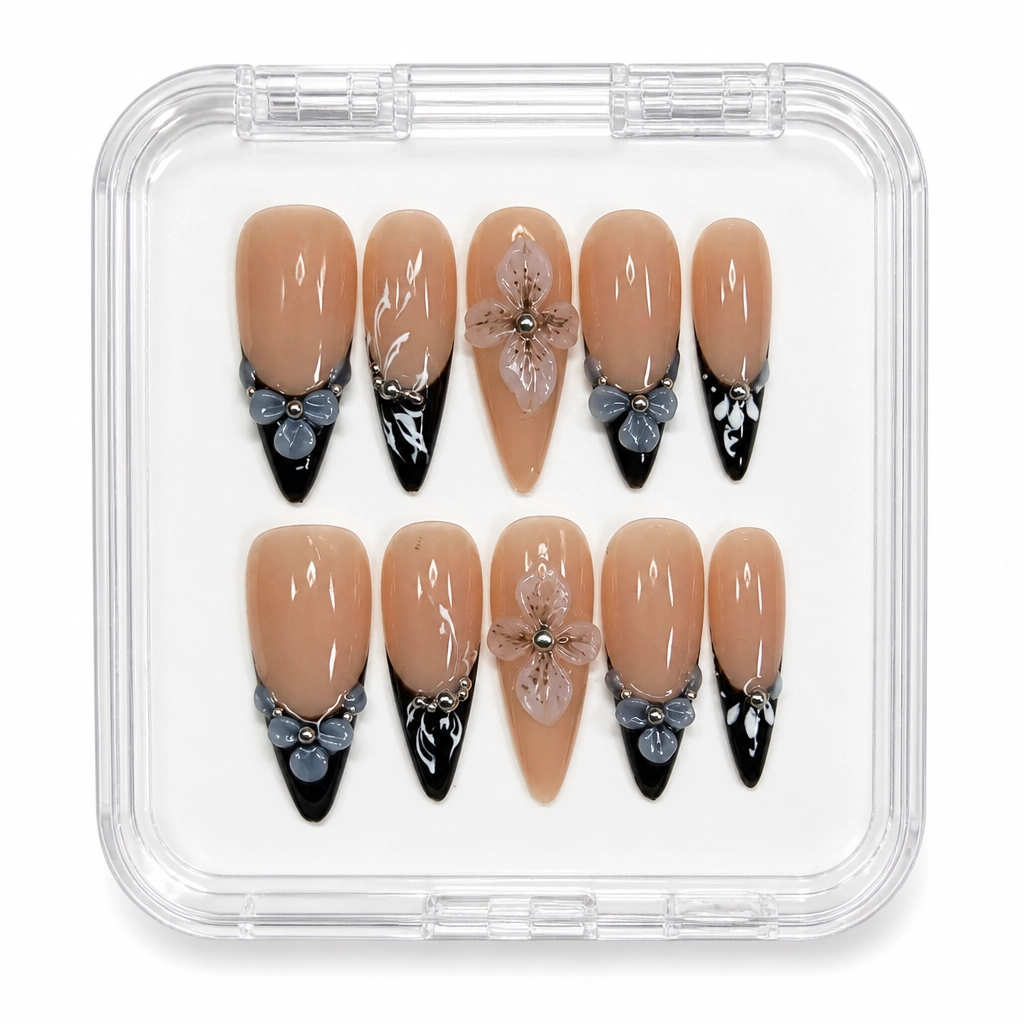
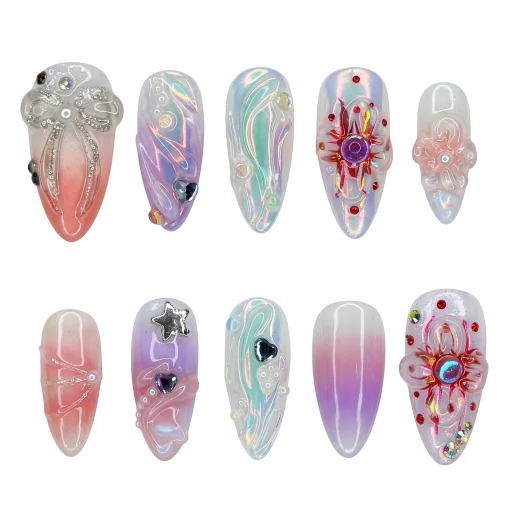
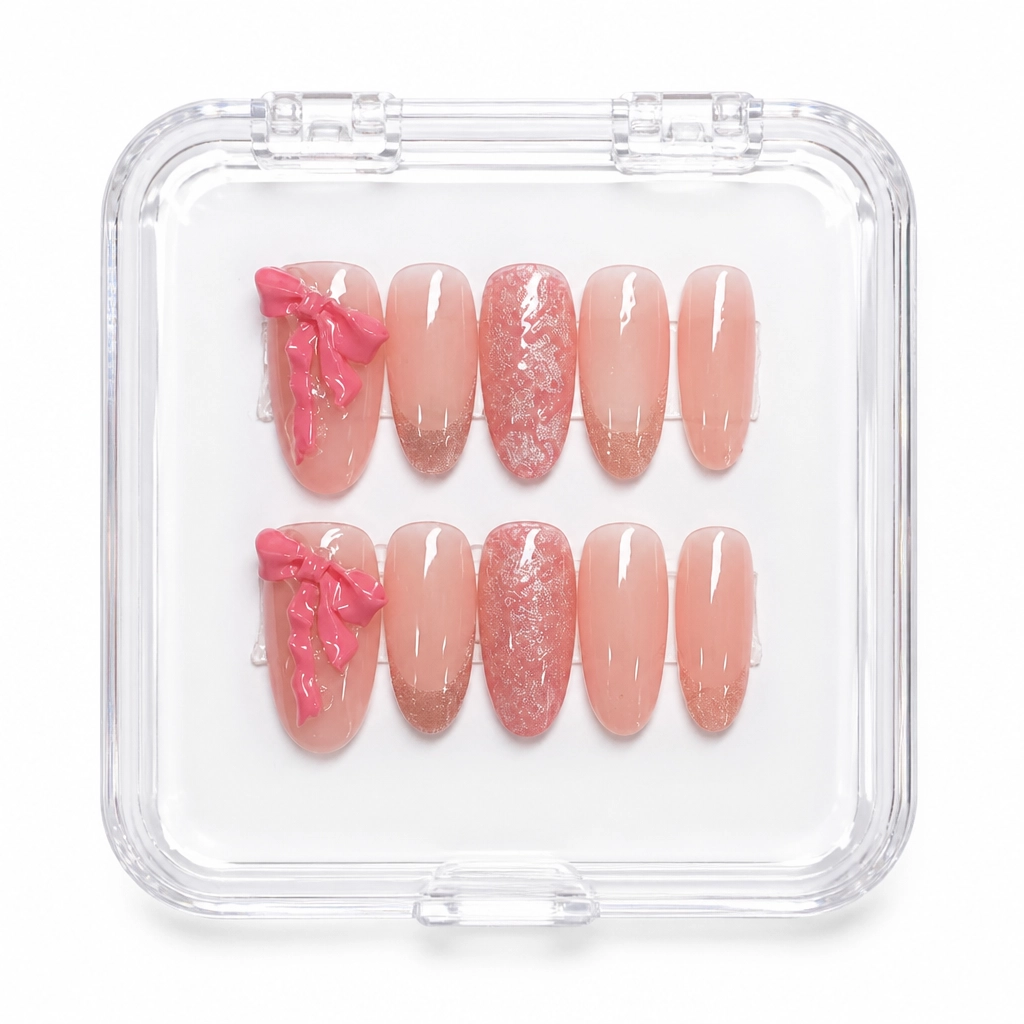
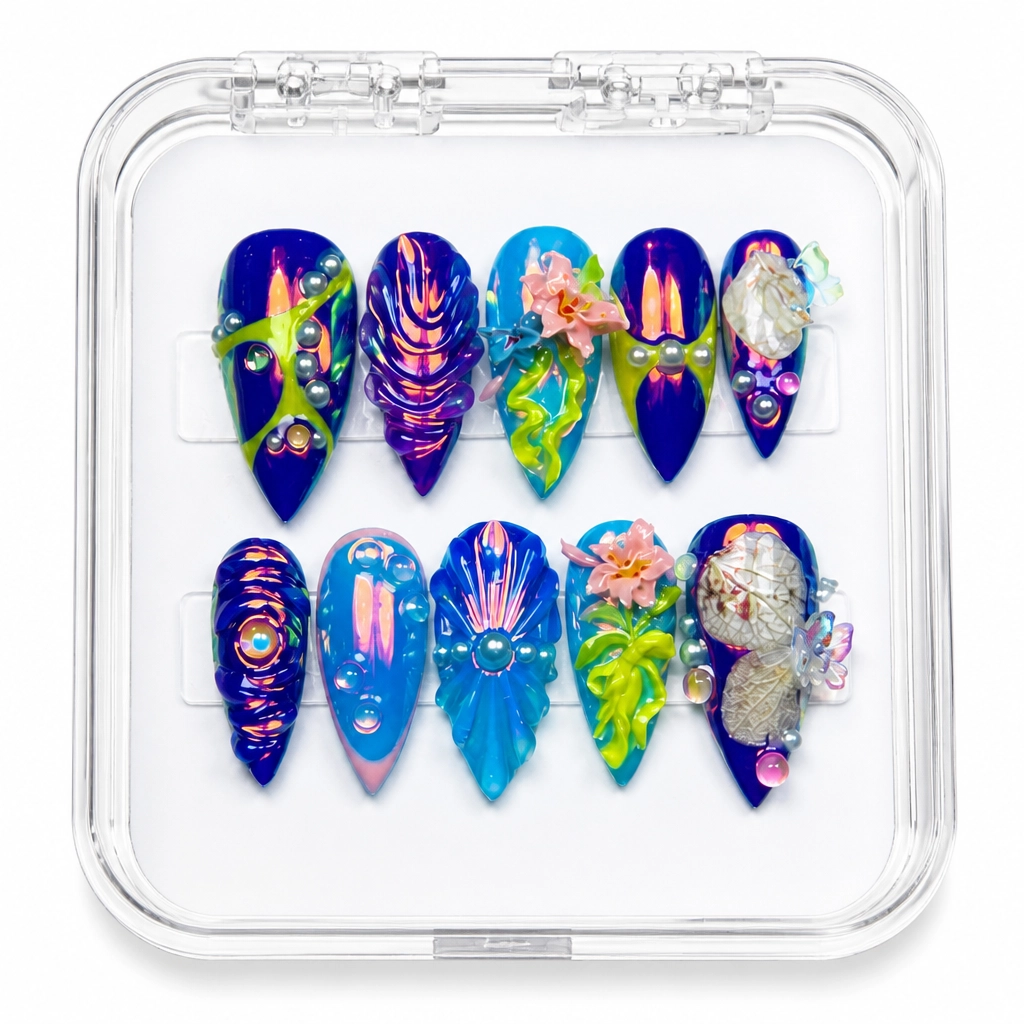
A private label nail brand is a business that sells nail products—such as polishes, gels, and accessories—manufactured by a third-party facility but packaged and sold under the brand's own unique name and logo. In this case study, we examine a company that utilized this model to quickly bring trend-setting gel polishes to market without the heavy capital expenditure of building their own manufacturing plant.
Why It Matters: The Power of White Labeling in Beauty
The beauty industry moves fast, and consumer preferences shift with the seasons. Leveraging a private label model matters because it provides agility and speed to market. This private label nail brand case study highlights how the founders capitalized on low initial capital requirements and high profit margins to scale rapidly and outmaneuver slower, traditional competitors.
How It Works: The 6-Month Scaling Blueprint
Phase 1: Supplier Sourcing and Formula Testing
The first two months focused entirely on finding a reliable manufacturer. The brand tested over 50 different gel formulas to ensure long-lasting wear, vibrant pigmentation, and non-toxic ingredients, establishing a strong foundation for customer retention.
Phase 2: Brand Identity and Packaging Design
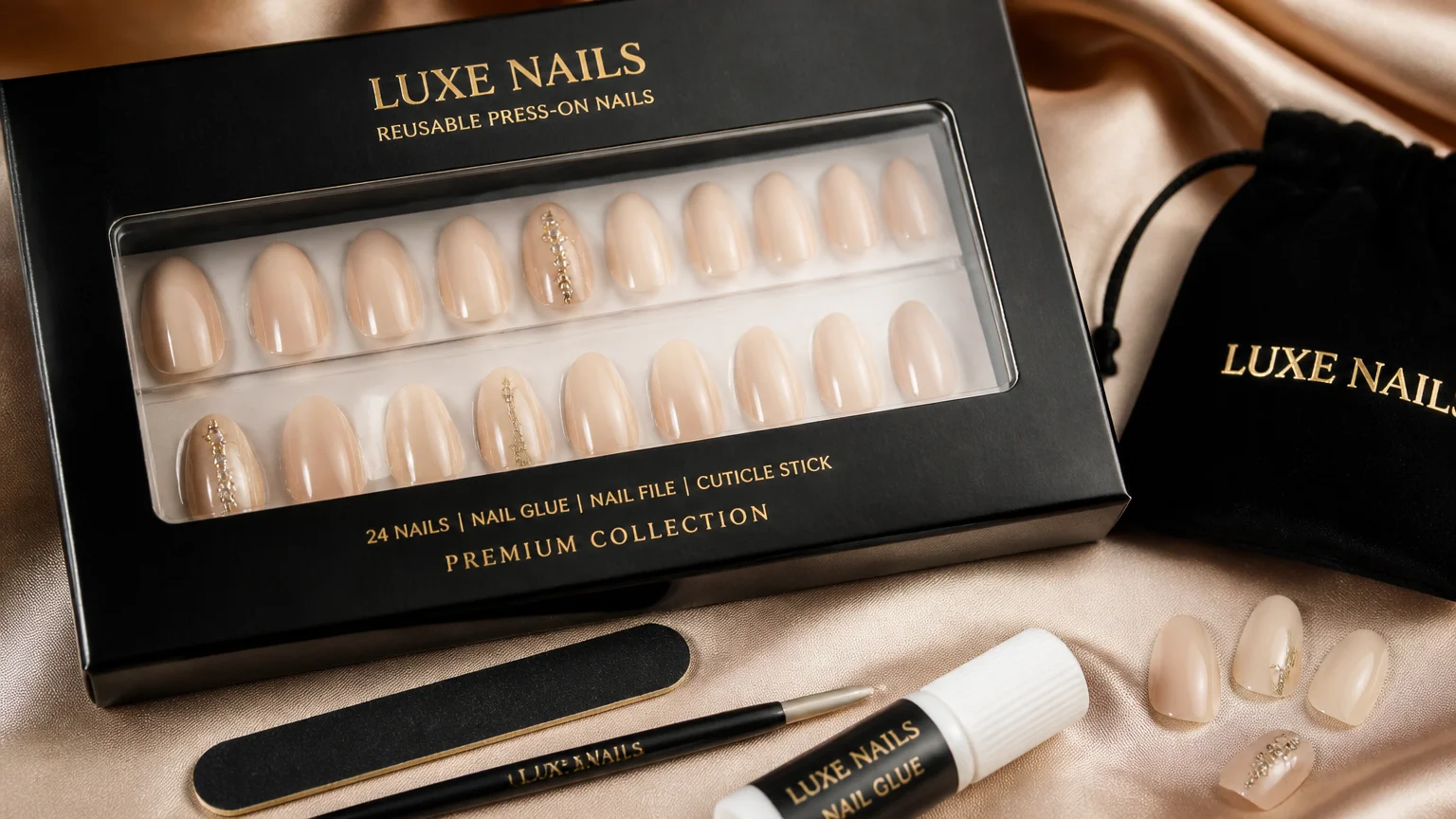
Months three and four were dedicated to creating a premium unboxing experience. By investing in custom, aesthetically pleasing packaging, the brand positioned itself as a luxury option at an accessible price point, which was critical for their influencer marketing strategy.
Phase 3: Launch and Digital Marketing Strategy
The final two months involved a hard launch utilizing TikTok and Instagram Reels. The brand partnered with micro-influencers to showcase product application and durability, driving immediate traffic and conversions to their Shopify store.
Practical Steps to Launch Your Own Nail Brand
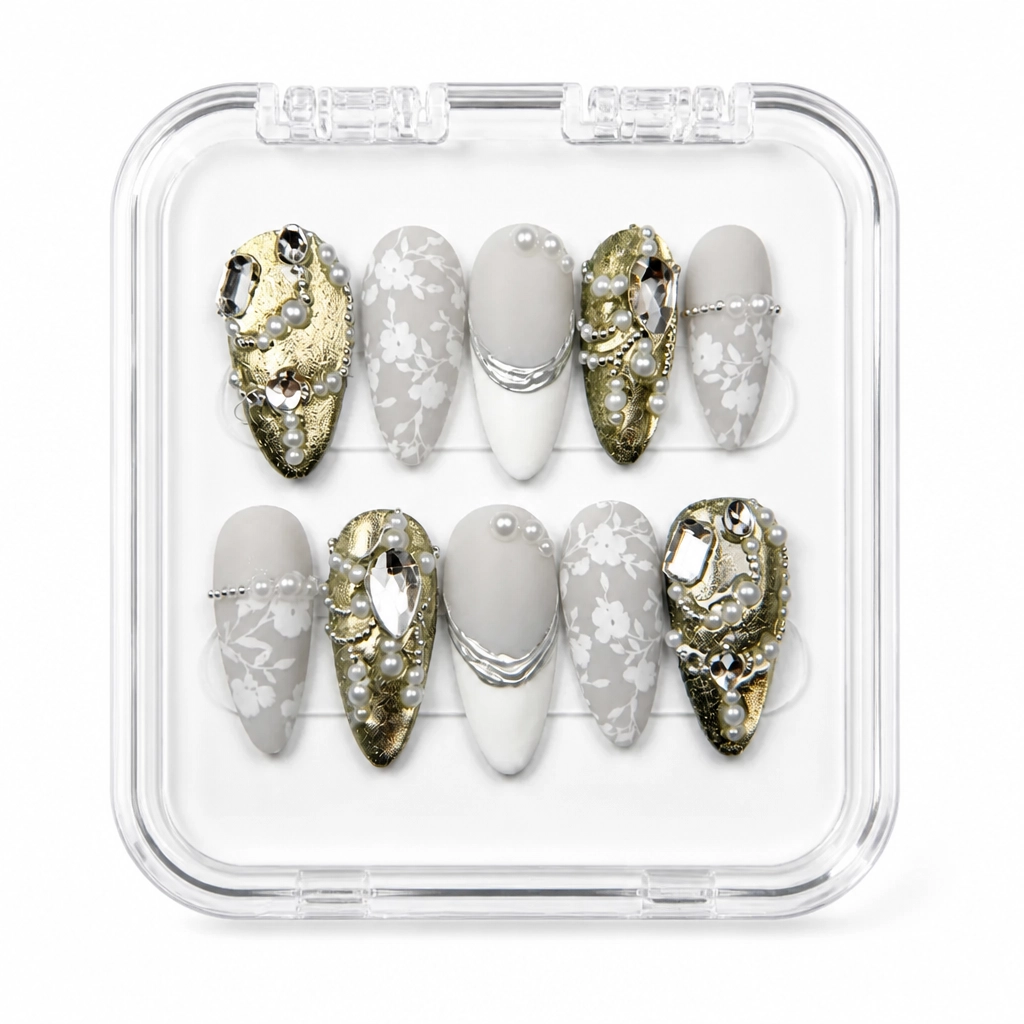
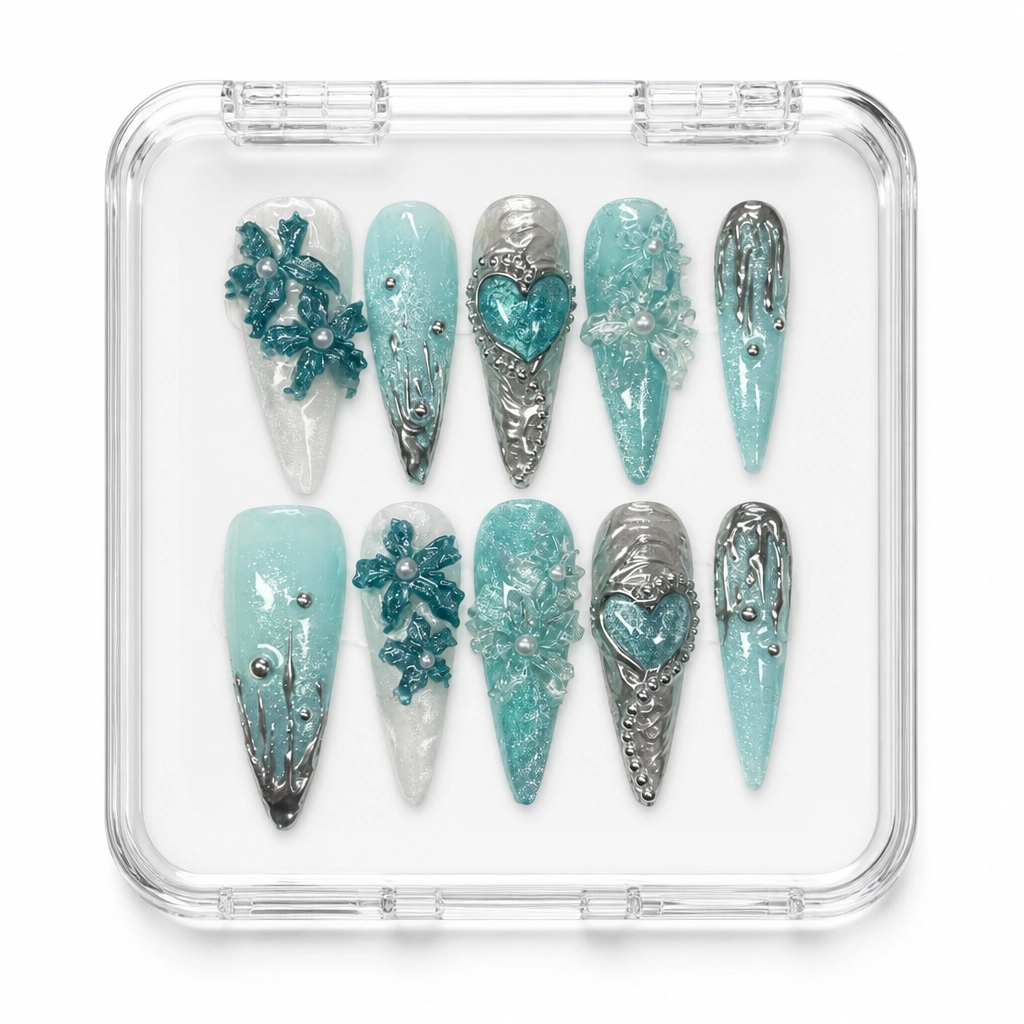
- Identify Your Niche: Focus on a specific product category, like HEMA-free gels, breathable polishes, or high-end press-on nails.
- Find a Certified Manufacturer: Look for private label partners with ISO certifications and transparent, safe ingredient lists.
- Order Samples: Never commit to a bulk order without rigorous real-world testing of the products on different nail types.
- Build a Strong Brand Story: Connect with your audience through your "why," focusing on cruelty-free or vegan angles if applicable.
- Optimize Your Supply Chain: Start with core colors and expand based on customer feedback to avoid tying up capital in dead stock.
Common Mistakes to Avoid When Scaling
Many new beauty entrepreneurs fail by overcomplicating their initial launch. One major mistake is ordering too many SKU variations, tying up cash in slow-moving inventory. Another common error is neglecting marketing spend; relying solely on organic reach is rarely enough in the highly competitive cosmetic space. Always allocate a significant portion of your budget to customer acquisition and retention strategies.
Private Label vs. Custom Formulation
| Feature | Private Label | Custom Formulation |
|---|---|---|
| Startup Cost | Low to Medium | High |
| Time to Market | Fast (1-3 months) | Slow (6-12+ months) |
| Minimum Order Quantity (MOQ) | Usually lower | Generally very high |
| Uniqueness | Standard formulas, custom packaging | 100% unique formula |
FAQ: Private Label Nail Brand Case Study
How much money do I need to start a private label nail brand? You can start a private label nail brand with as little as $1,000 to $5,000. This covers initial product samples, low minimum order quantity (MOQ) inventory, basic branding, and a simple e-commerce website to begin selling.
Where can I find manufacturers for a private label nail brand? You can find manufacturers on platforms like Alibaba, through cosmetic industry trade shows like Cosmoprof, or by searching online directories for specialized private label cosmetic labs based in the US, Europe, or Asia.
Is selling private label nail polish profitable? Yes, selling private label nail polish is highly profitable. Profit margins typically range from 60% to 80%, depending on your manufacturing costs and retail pricing strategy, allowing for significant revenue if marketed correctly.
Do I need a license to sell private label nail products? You generally need a standard business license and a seller's permit to operate. While you don't typically need a specific cosmetology license to sell retail products, you must ensure your manufacturer complies with FDA cosmetic regulations.
How do I stand out with a private label nail brand? To stand out, focus on premium packaging, a unique brand story, and exceptional customer service. Building a strong community on social media through tutorials and user-generated content also differentiates your brand from competitors.
Conclusion
This private label nail brand case study demonstrates that with the right manufacturing partner, a focused product line, and a targeted digital marketing strategy, achieving massive growth in just six months is entirely possible. By learning from their strategic phases and avoiding common inventory pitfalls, you can confidently launch and scale your own successful beauty empire.